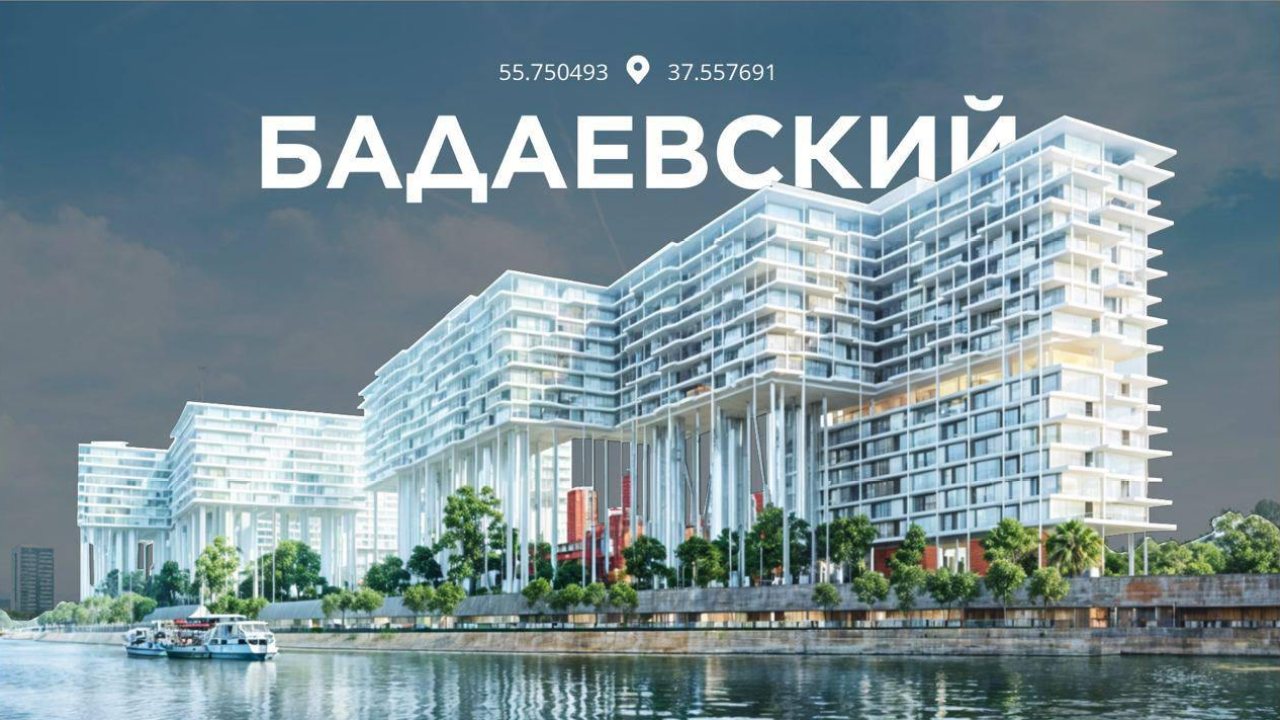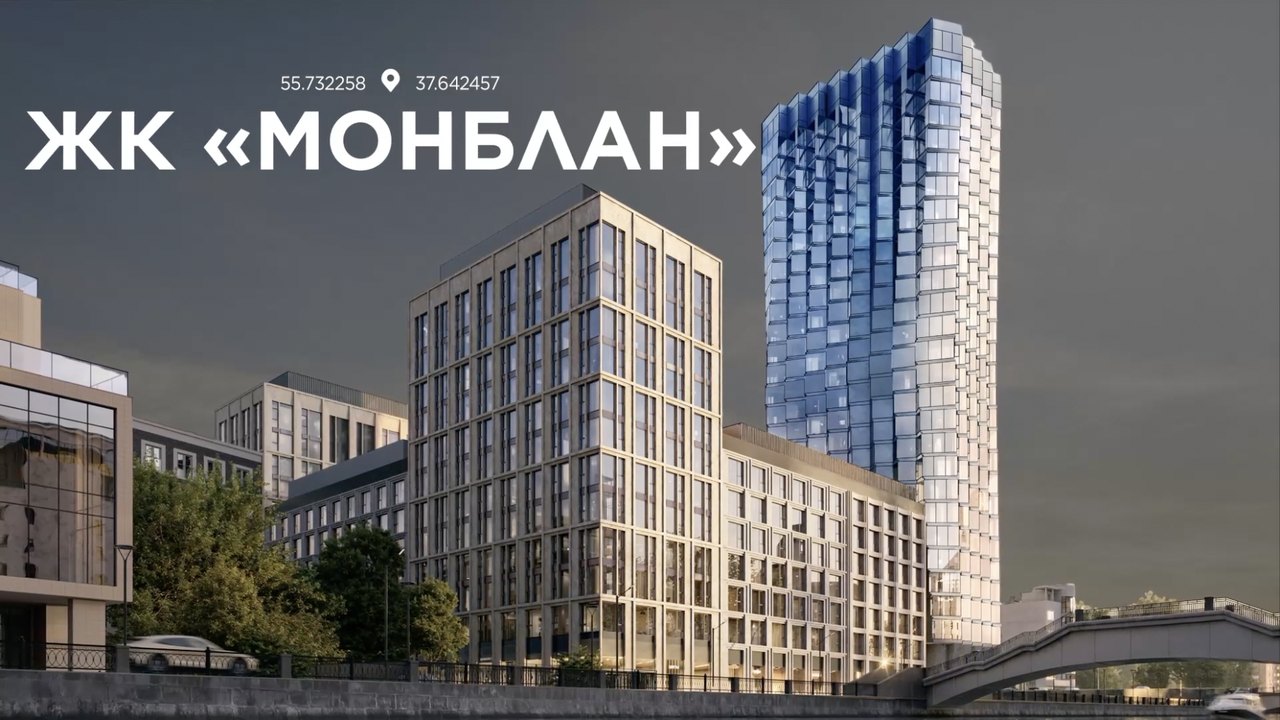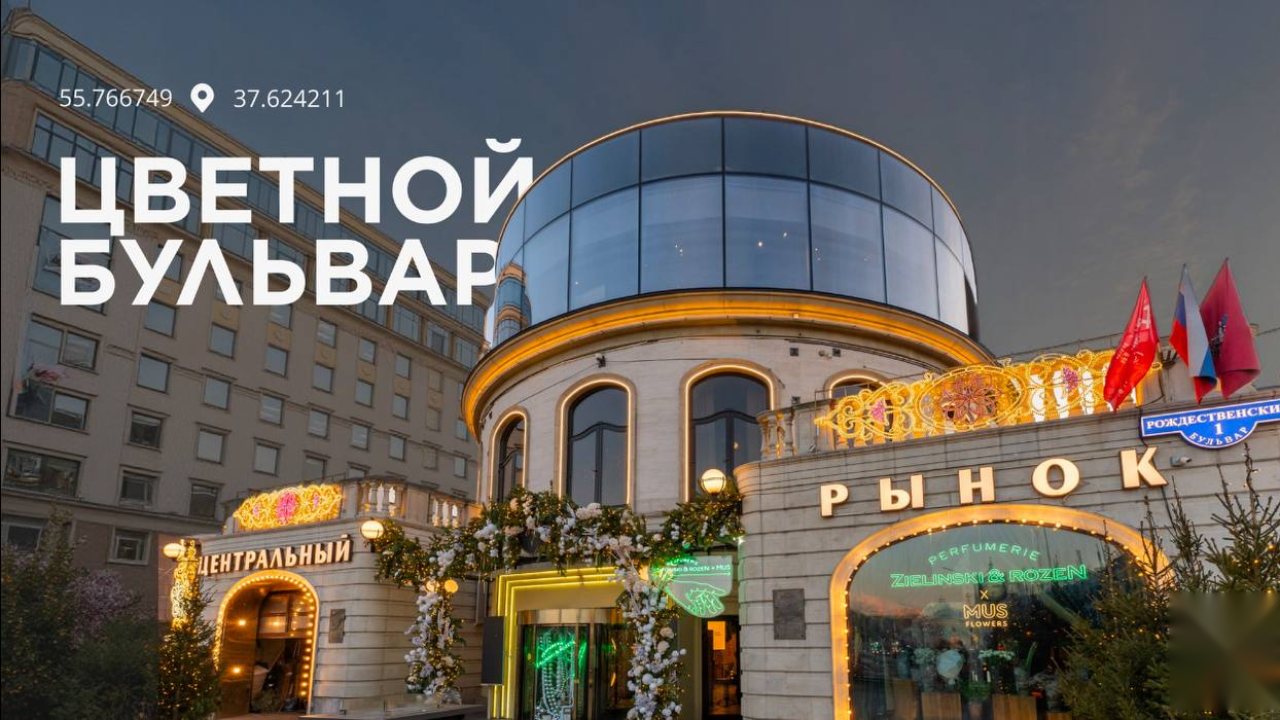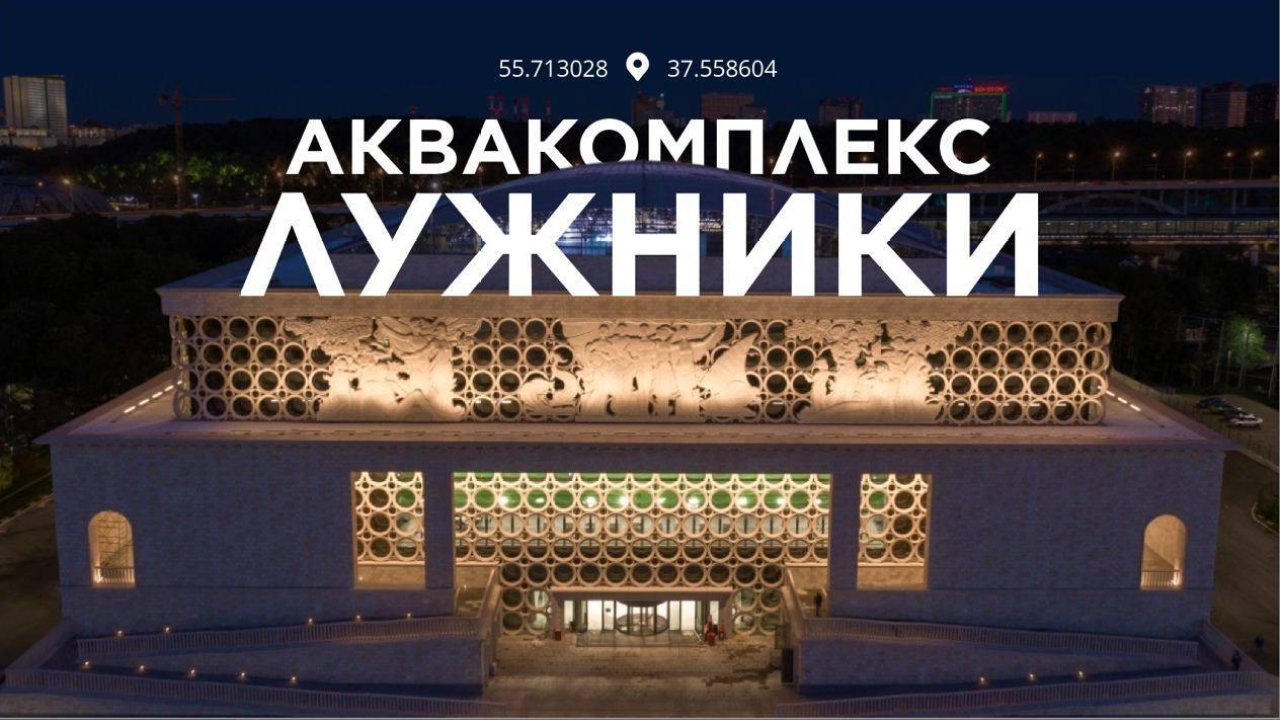
After the collapse of the USSR, 35% of Moscow's territory turned into abandoned industrial zones. The largest belt of them crosses the city from the north-east to the south, and at its centre, on 300 hectares, stood the ZIL plant. The plant was in debt and stagnating, and the first proposal was to demolish it entirely and fill the site with prefab panel blocks.
The city rejected that scenario and launched an architectural competition. Dutch architects proposed gathering universities on the peninsula as a campus; French architects proposed a new business district. Yuri Grigoryan's Meganom, together with a young German practice, proposed an ordinary mixed-use district — part of the city's fabric. Moscow's Chief Architect Sergey Kuznetsov put the idea this way: not the outskirts creeping into the centre, but the centre moving outwards.
The key decision was the road. Earlier plans had a six-lane highway running along the Moskva River. The architects persuaded the transport planners to move it inland, and the riverbank stayed with people: 45 metres of pedestrian Chagall Embankment between the river and the first street.
The street grid follows the positions of the former workshops: Grigoryan calls the plant's layout a monument of Constructivism. Half of the streets running to the river are pedestrian, half carry traffic. Each block was conceived as four separate buildings by different architects, and along the railway, despite the sceptics, a ten-hectare park — Tyufeleva Roshcha — was laid out.
The project is being delivered by LSR Group. For the city, ZILART became an example of the main post-industrial rule: modern Moscow is being built on the sites of former factories and plants.